Area: 2,900 km²
Population of Adjara: 402 929
Administrative Center: City of Batumi
Population of Batumi: 235 668
Landscape: Mostly mountainous
Coastal Climate: Humid subtropical
The ancient history of Adjara is connected to the Colchian culture (8th-6th centuries BC). The cities of Pichvnari, Apsaros, and Batumi played a significant role in the political and economic life of the Kingdom of Colchis. The connection between the present and this ancient history can still be felt in the region's toponymy. However, the history of Adjara is also tied to the Romans and Byzantines, Ottoman invasions, and the period of the Russian Empire. From the end of the 19th century, Adjara's main port city, Batumi, became a major international trade center and a key port for the transit of Caspian oil to Europe.
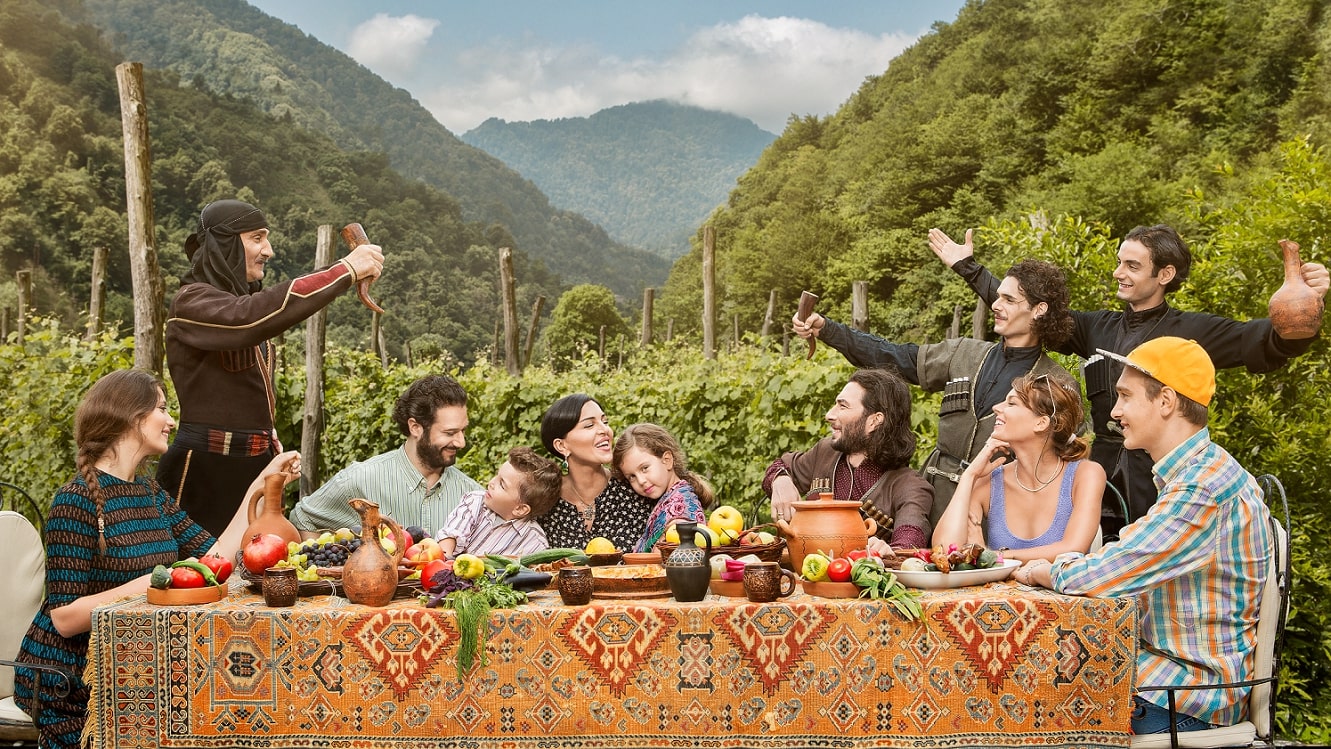
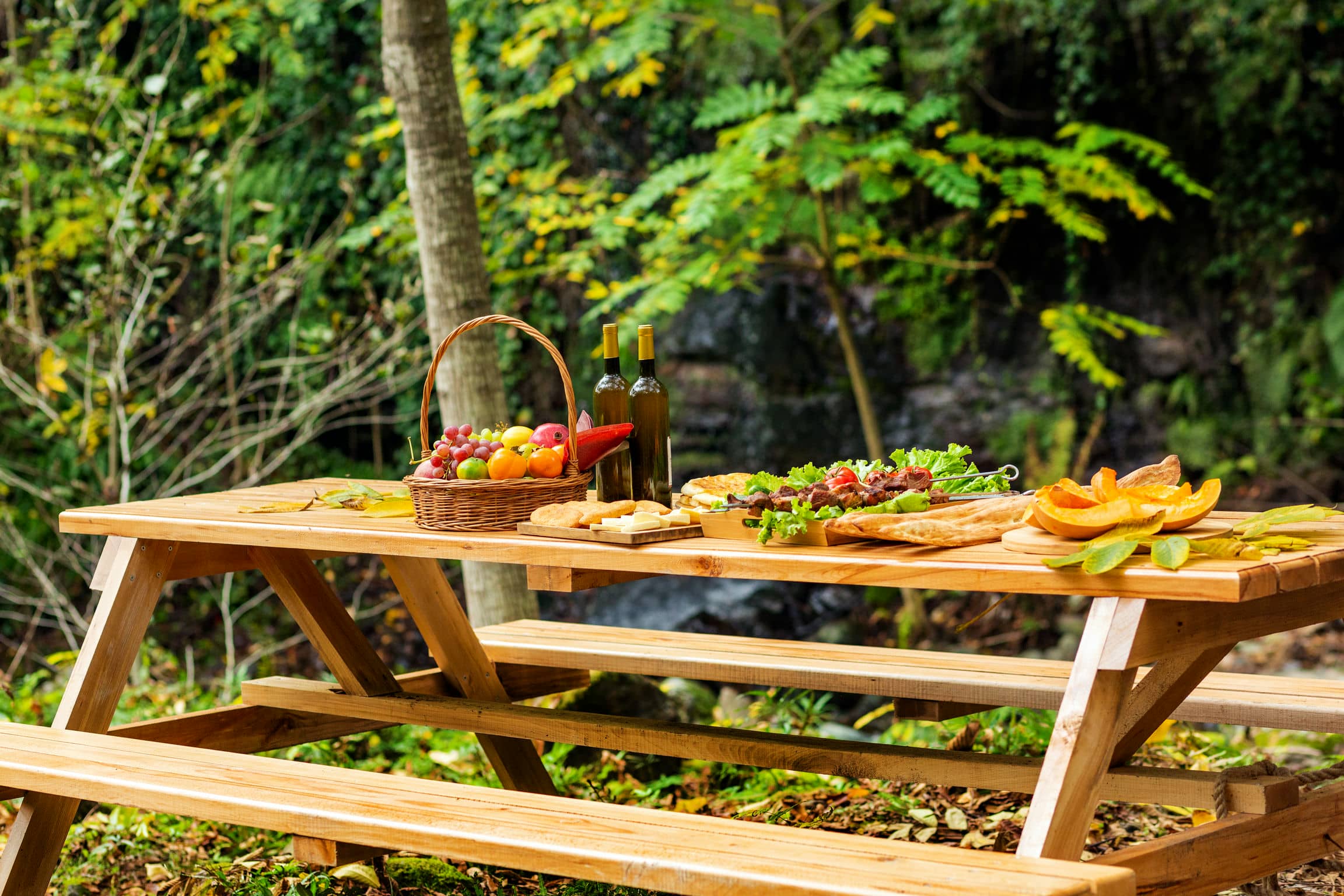
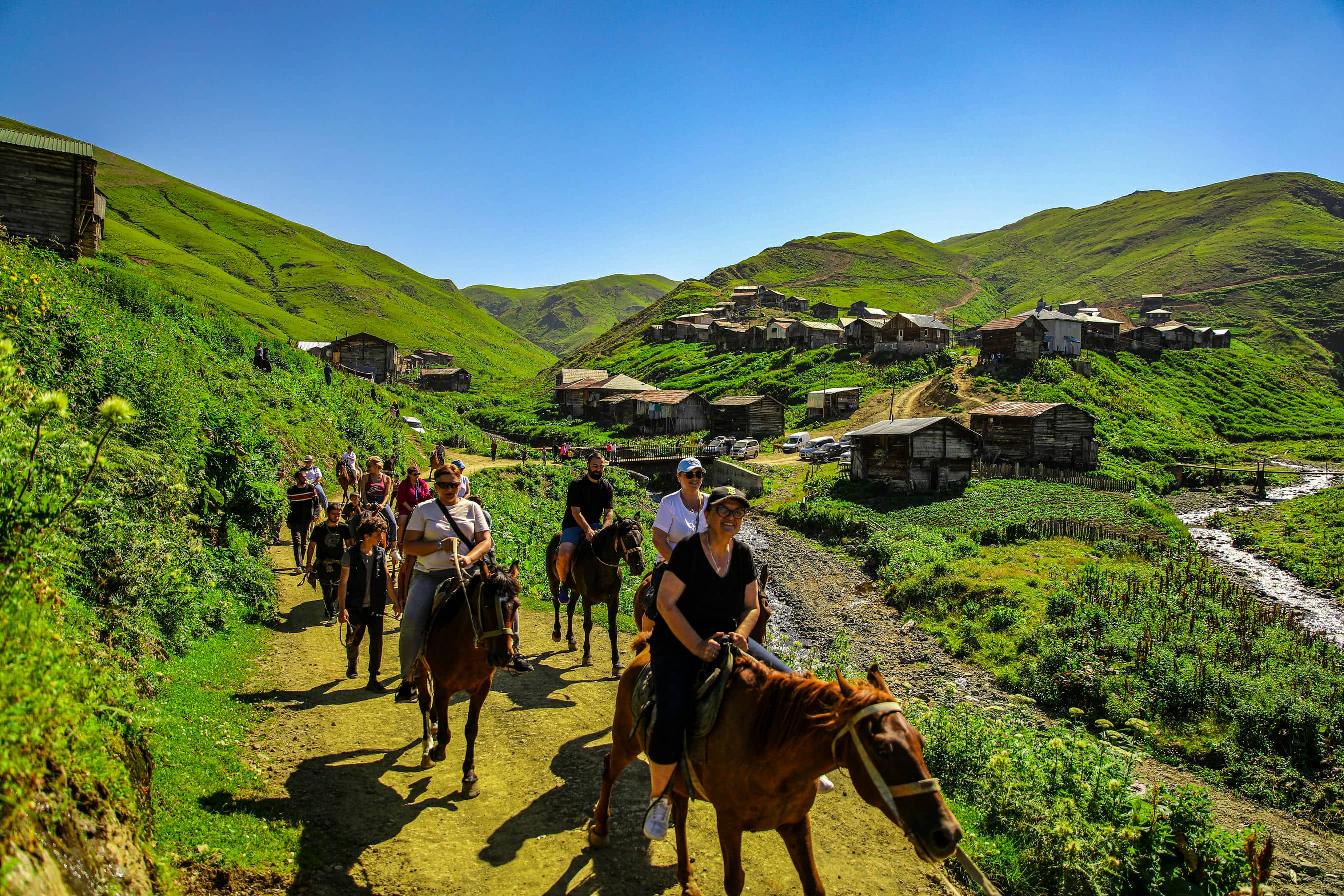
Today, due to its climate, landscape, and many other factors, Adjara is developing multiple branches of tourism. These include marine, mountain, rural, wine, business, gaming, gastronomic, and cultural-historical tourism. The region is visited by more than 1 million foreign tourists annually. Adjara can be accessed via air, as well as by road, rail, and sea transport.
Location of Adjara
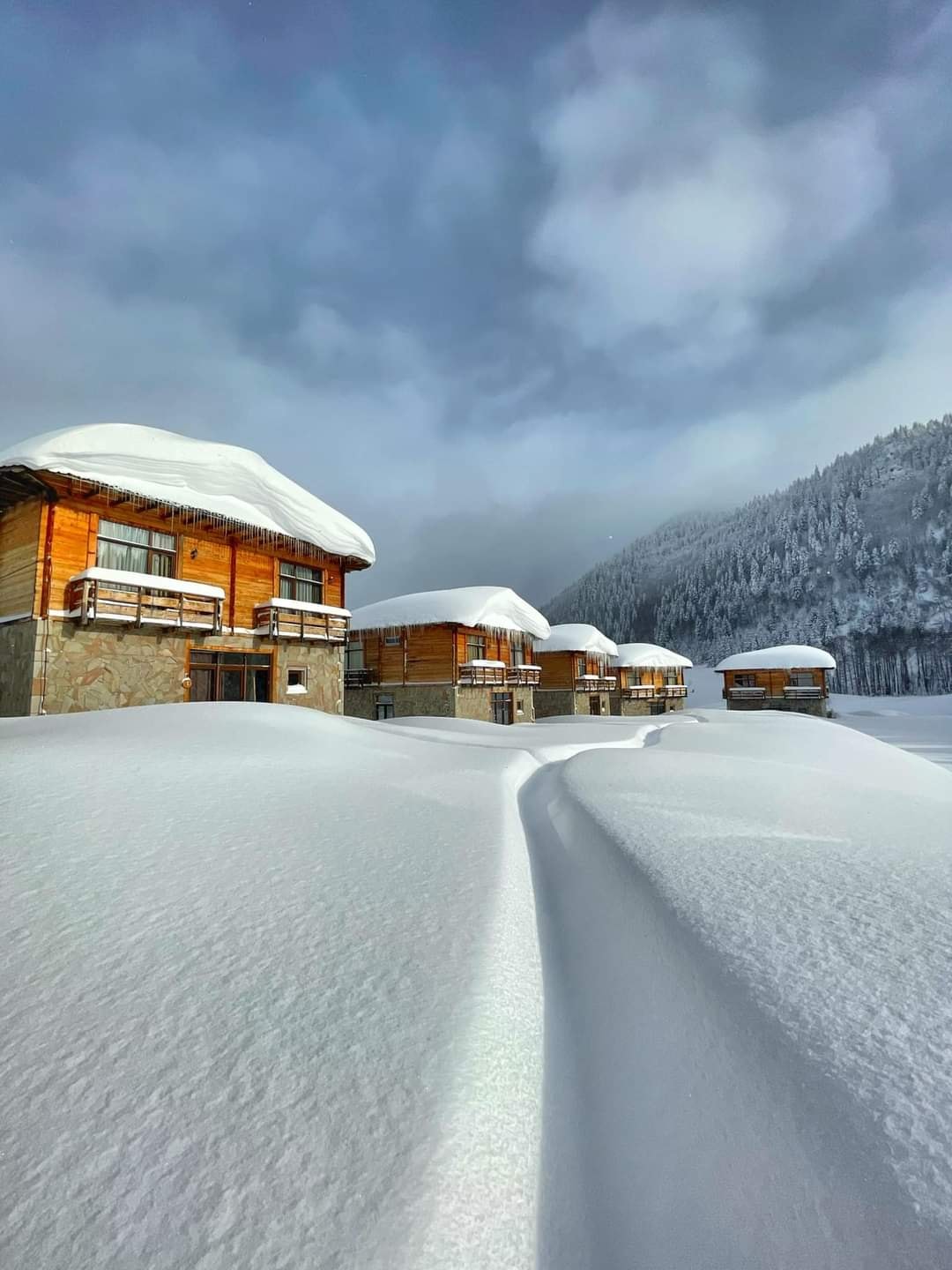
Adjara is a mountainous region situated on the Adjara-Imereti, Arsiani, and Shavsheti mountain ranges, which have an average elevation of 2-2.5 thousand meters above sea level. Adjara is bordered by Turkey to the south, and by the Black Sea to the west and northwest. Based on its natural conditions, the climate of Adjara is divided into two parts: a humid subtropical climate and a dry mountain climate. In the coastal zone, the average temperature in January is +6.5°C, and in August it is +24.5°C. In the mountainous areas of Adjara, the average temperature is +1°C in January and +19°C in July. Batumi is characterized by snowless winters and moderately hot summers, whereas in the highlands, winter lasts for about 5 months.
Nature of Adjara
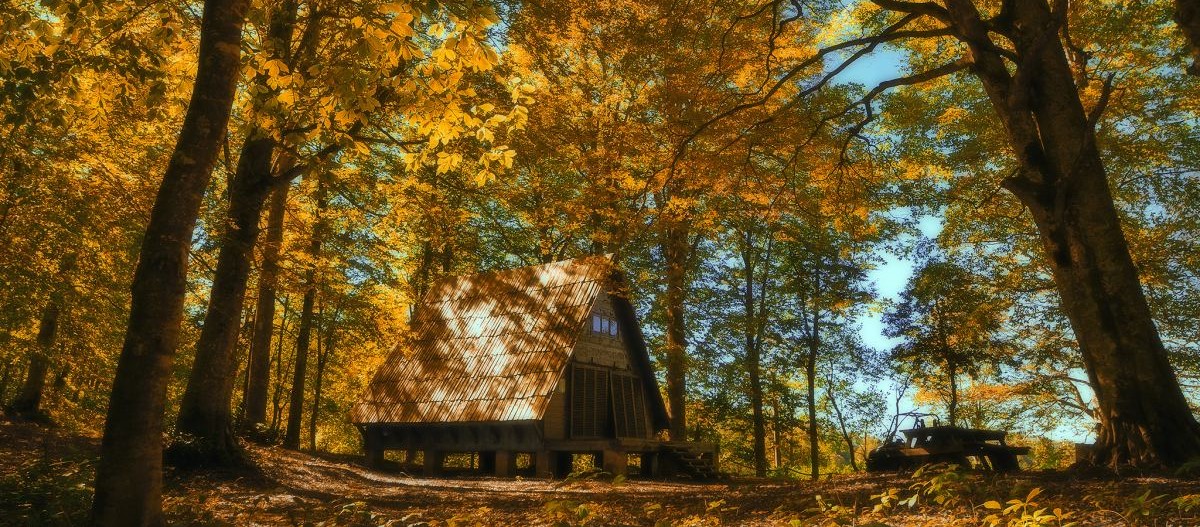
The flora and fauna of Adjara are remarkably rich and diverse. The region is covered with Colchian forests, where various species of relict-endemic trees and flowers, as well as rare fauna, are preserved. More than 40 of these species are included in the Red Book of Georgia. A significant portion of the region's territory (13%) is occupied by national parks, protected areas, and botanical gardens, each possessing a distinct ecosystem. These include: the Kintrishi and Kobuleti (Ispani peat bogs) Protected Areas, Mtirala National Park (approx. 16,000 hectares), Machakhela National Park (approx. 8,000 hectares), the Goderdzi Alpine Botanical Garden, and the Batumi Botanical Garden, which is over 100 years old.
There are many rivers in Adjara, such as the Chorokhi, Acharistsqali, Chakvistsqali, Machakhela, Kintrishi, and others. They all belong to the Black Sea basin. Mineral springs are also found in abundance: Kokotauri, Gundauri, Kemisi, Khikhani, etc. Additionally, the region contains deposits of non-ferrous metals.
The numerous waterfalls in Adjara draw significant interest from visitors. They can be seen in Makhuntseti, Merisi, Gobroneti, Kveda Chkhutuneti, Mirveti, Bako, the Chvana Gorge, and other locations.
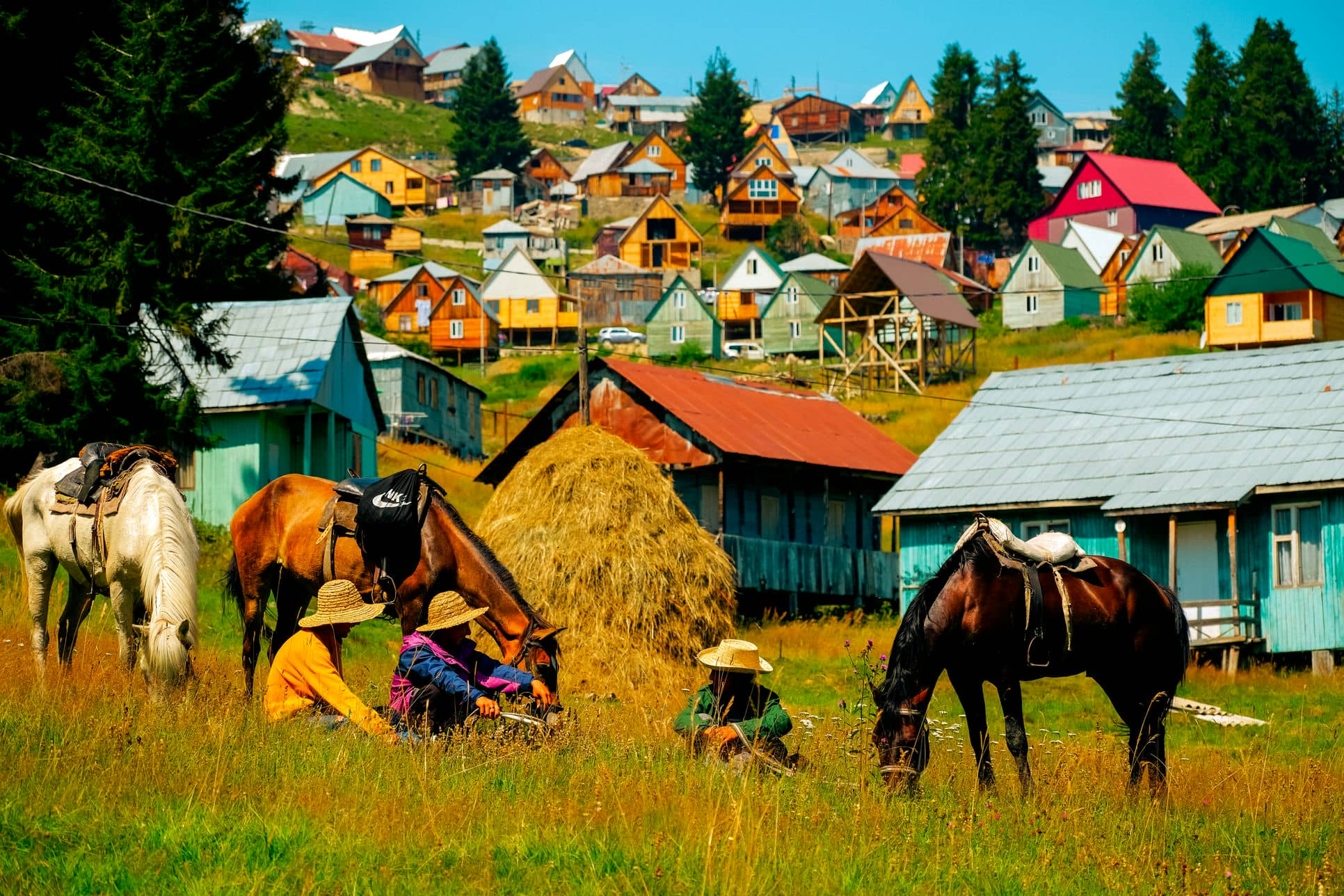
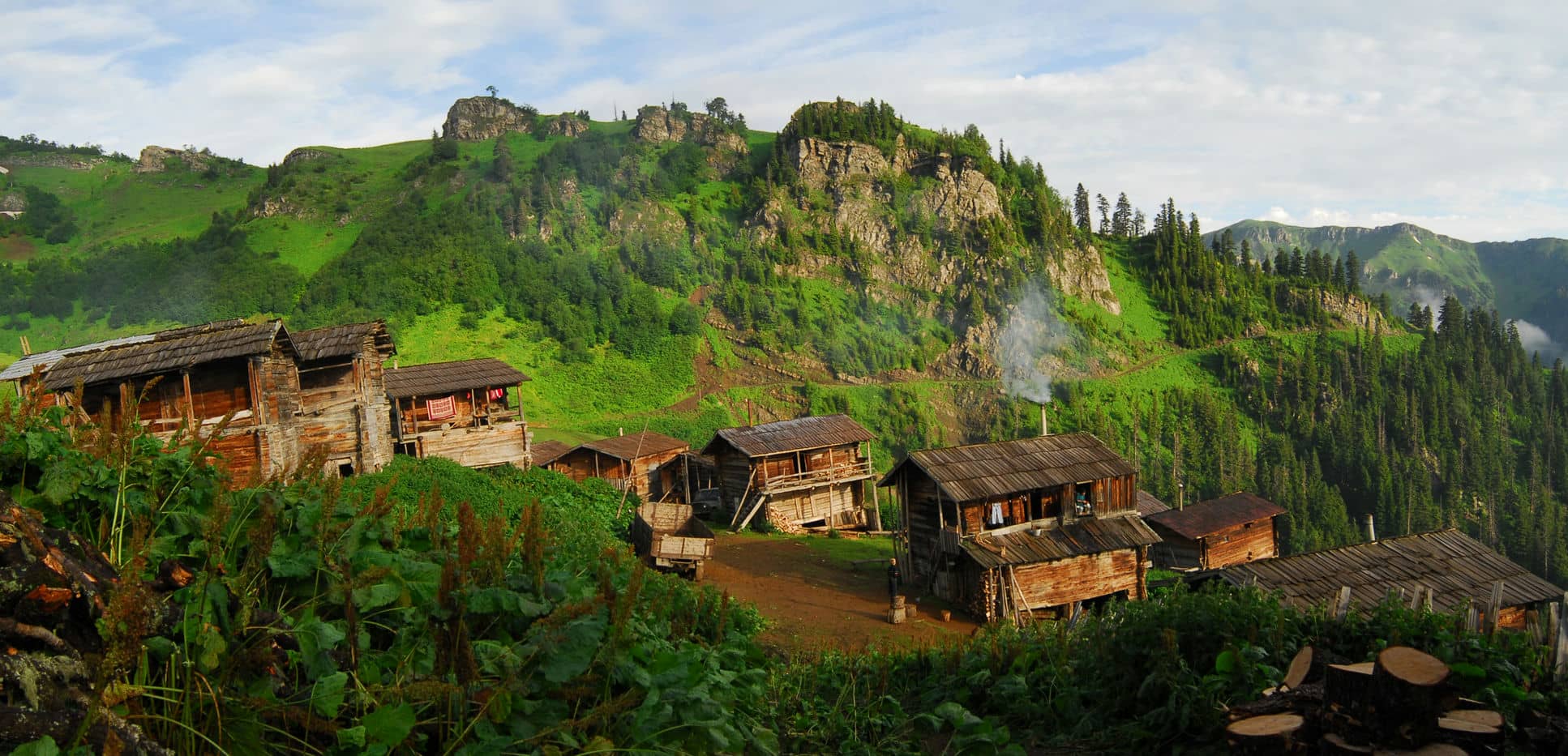
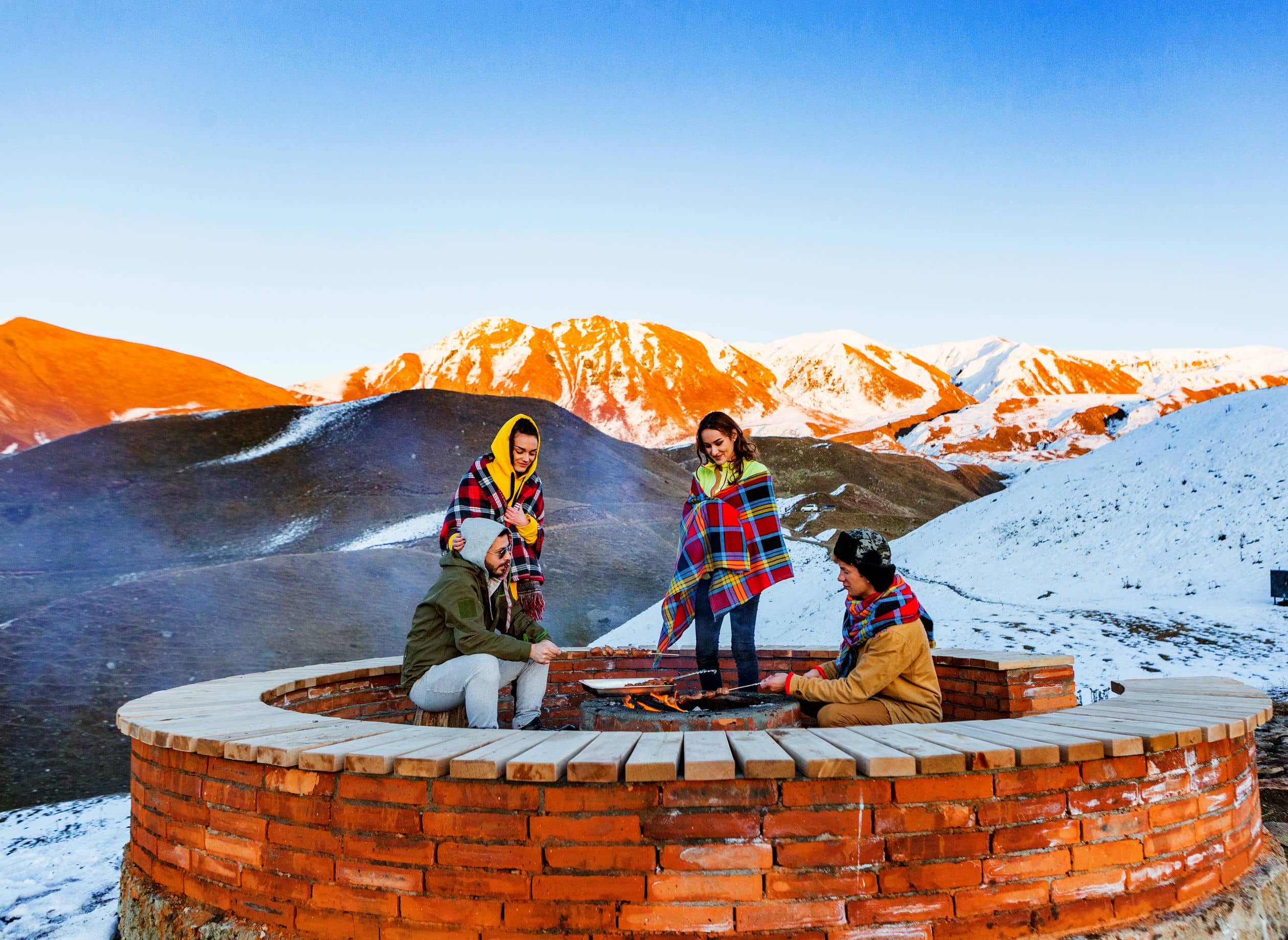
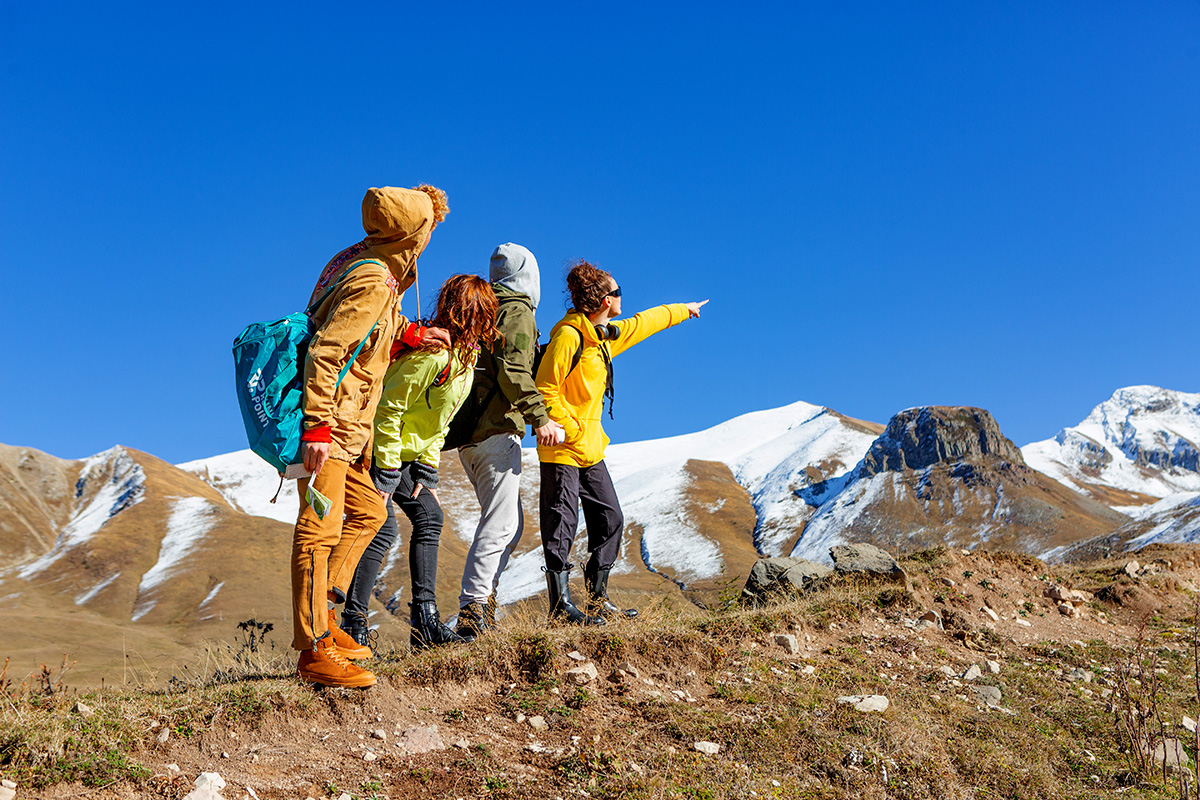
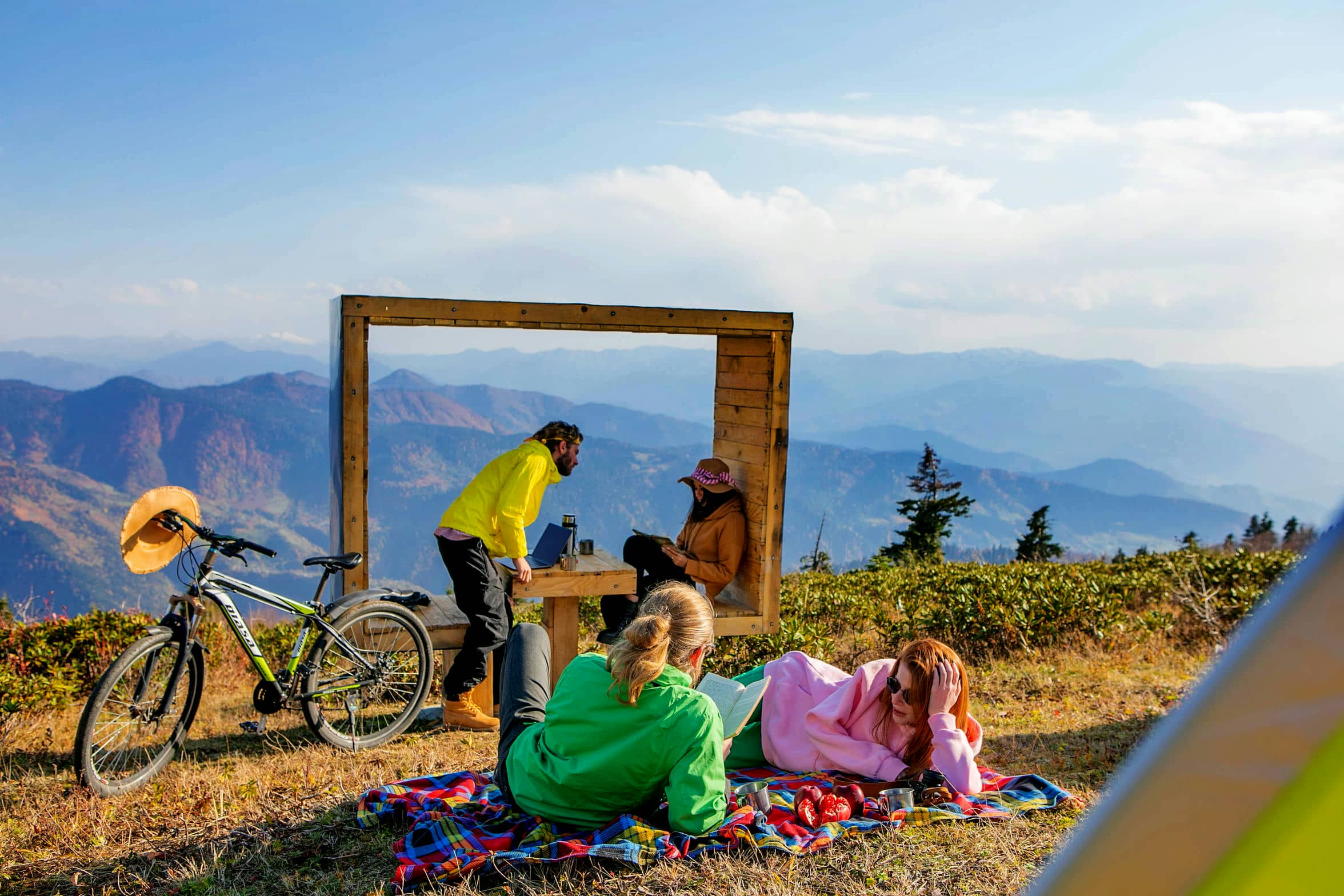
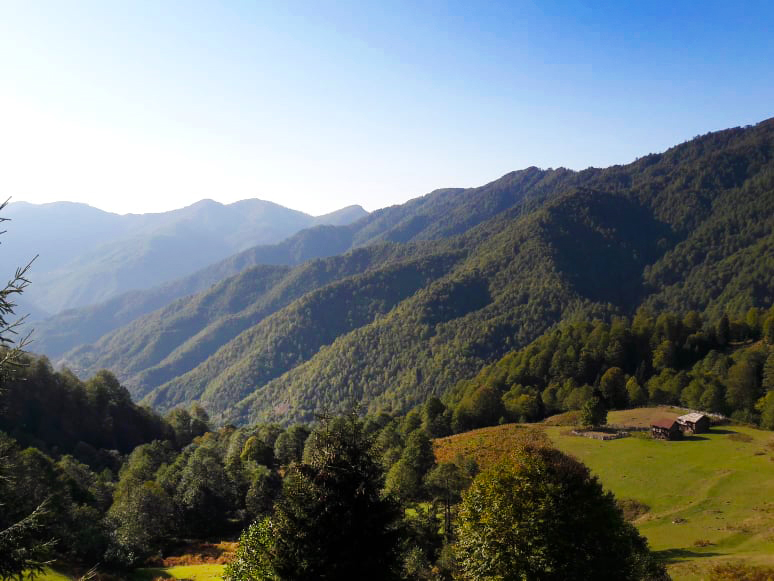
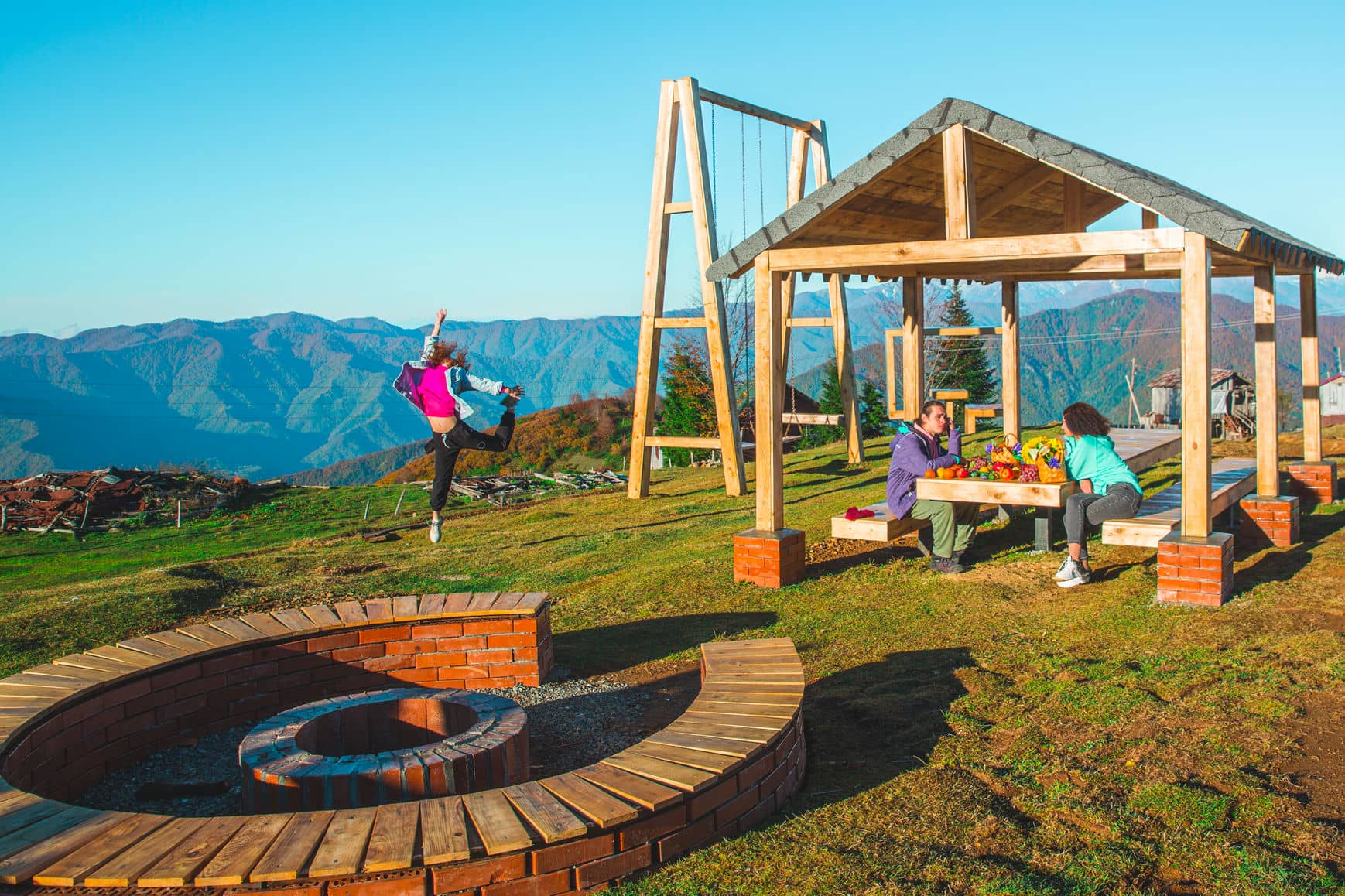
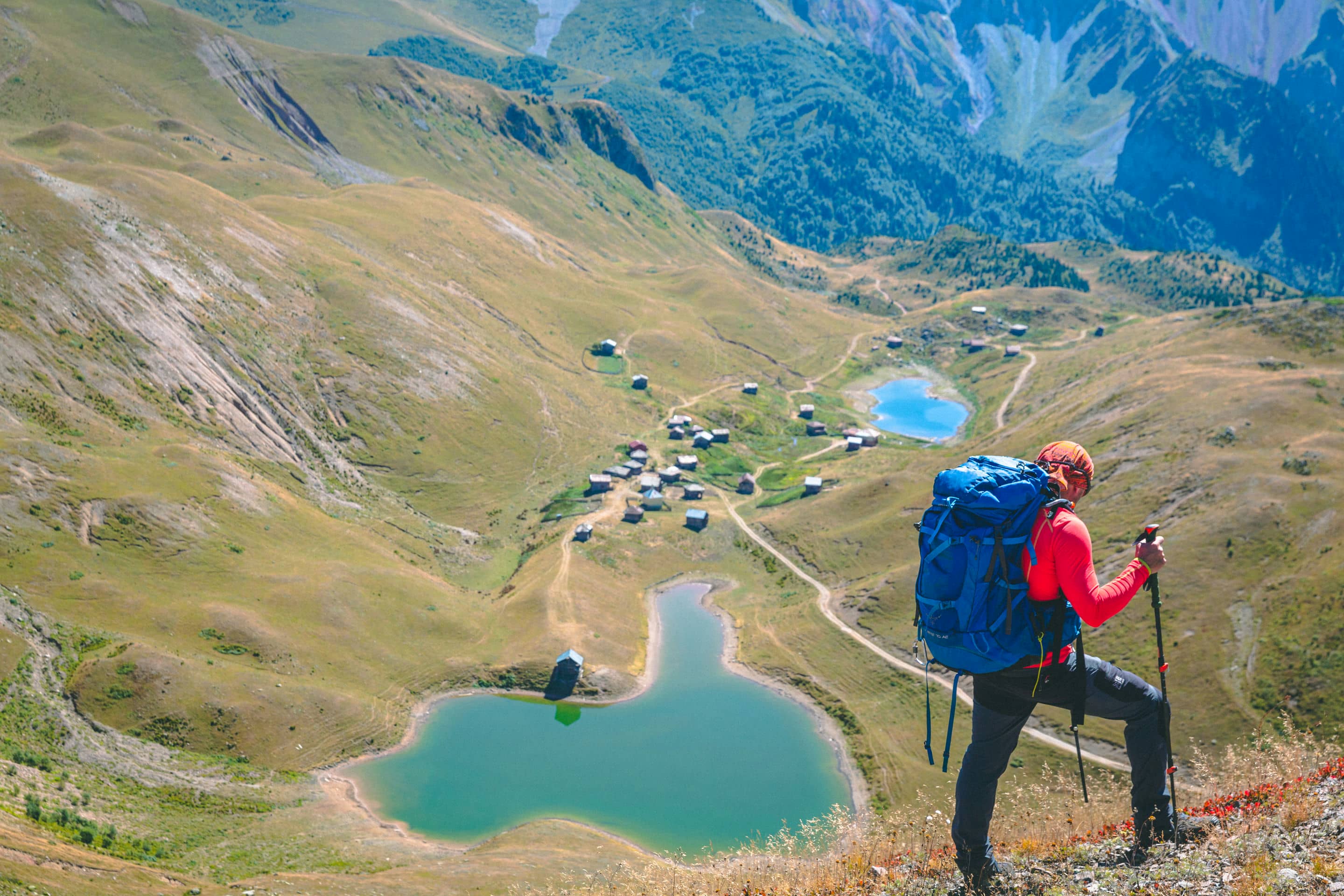
The mountains of Adjara, which make up a major part of the region, are distinguished by their exceptional beauty.
Mountainous Ajara
Alpine Ajara
Resorts