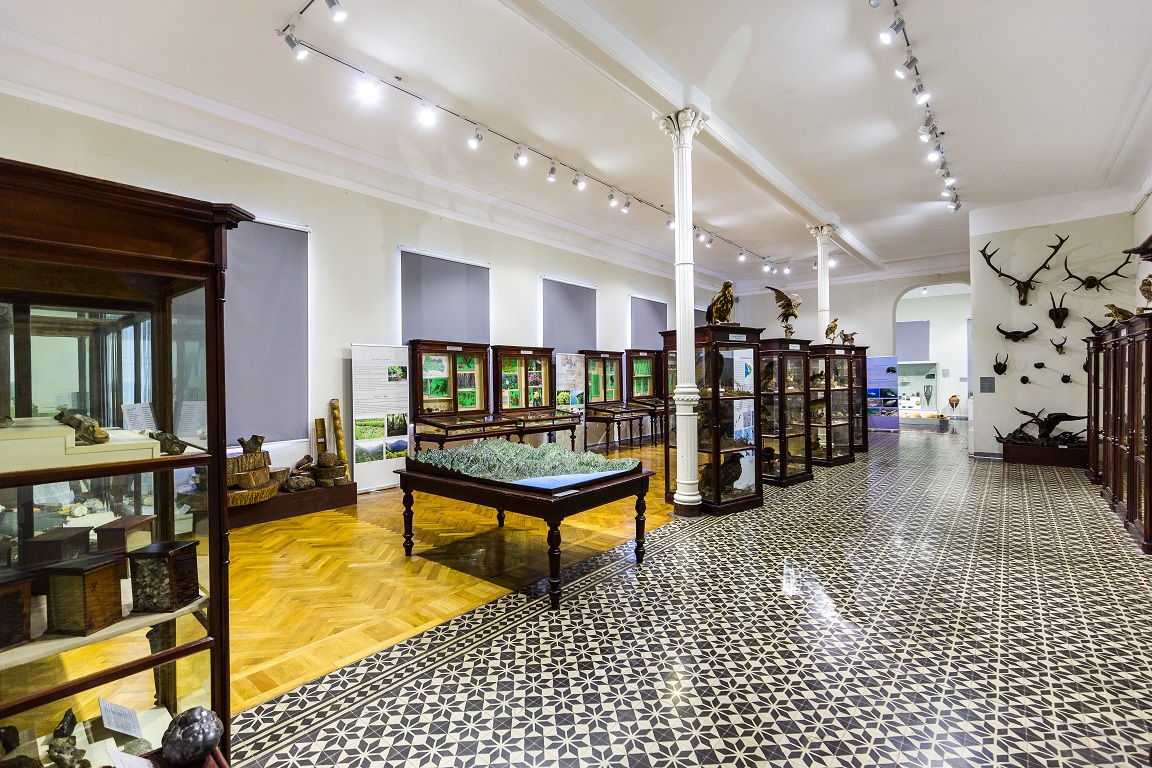
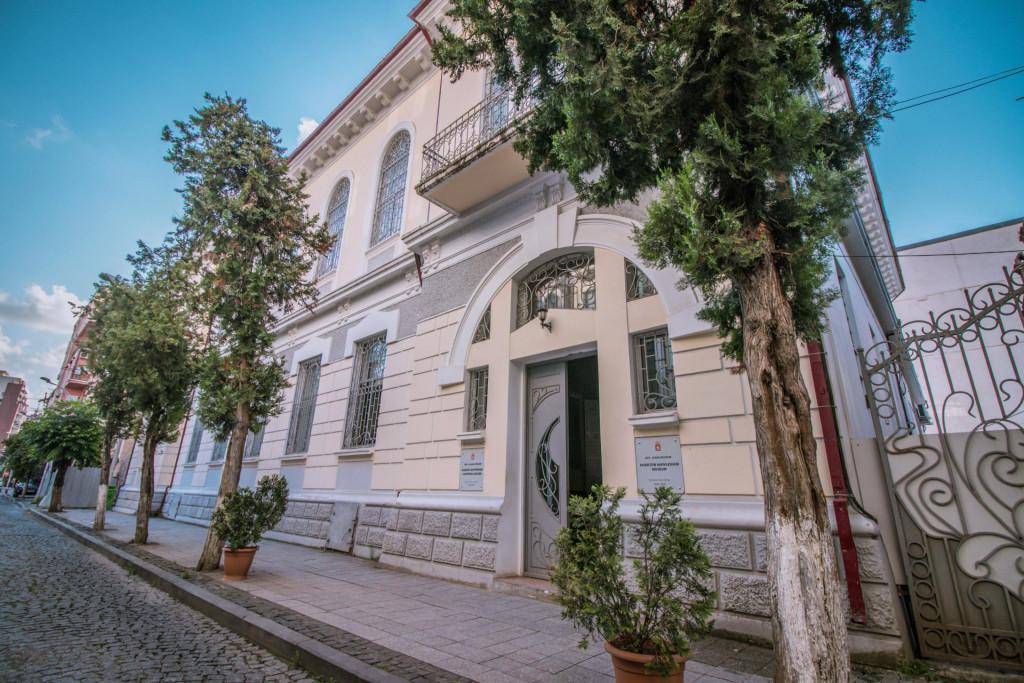
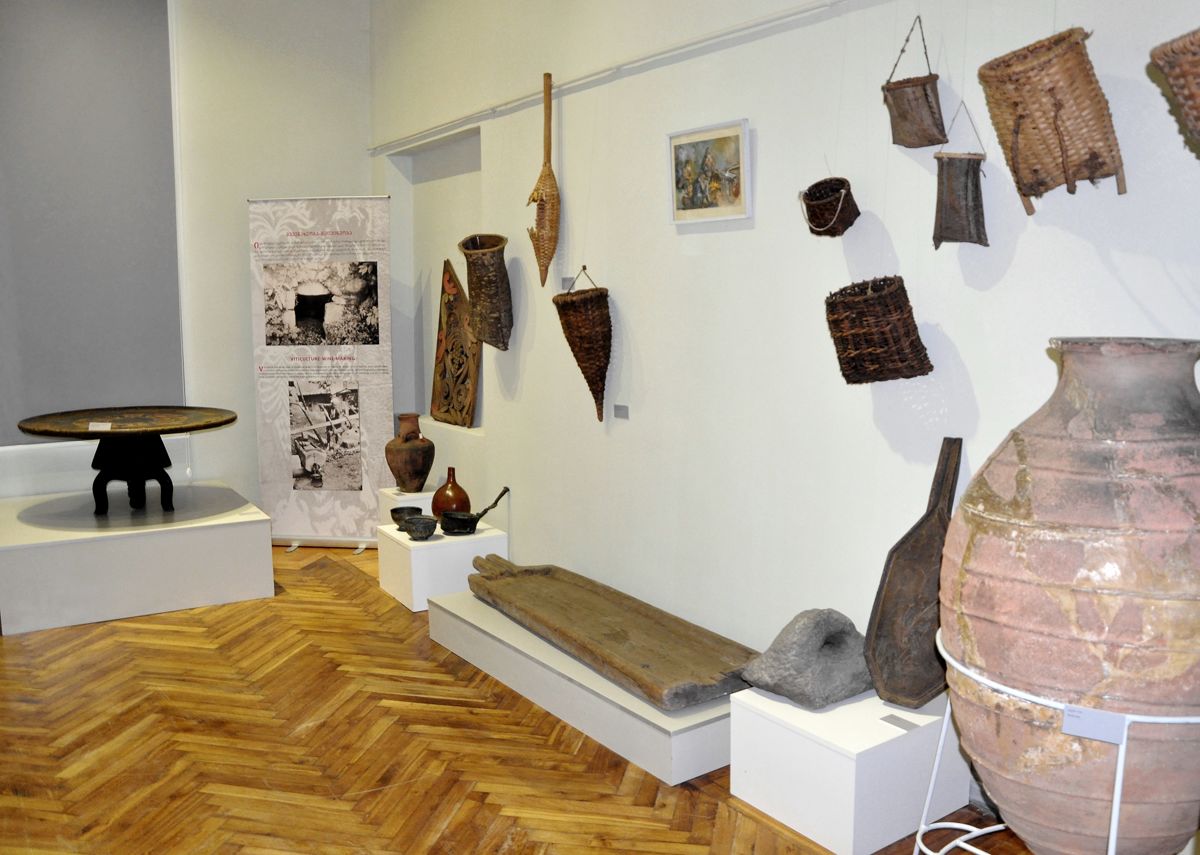
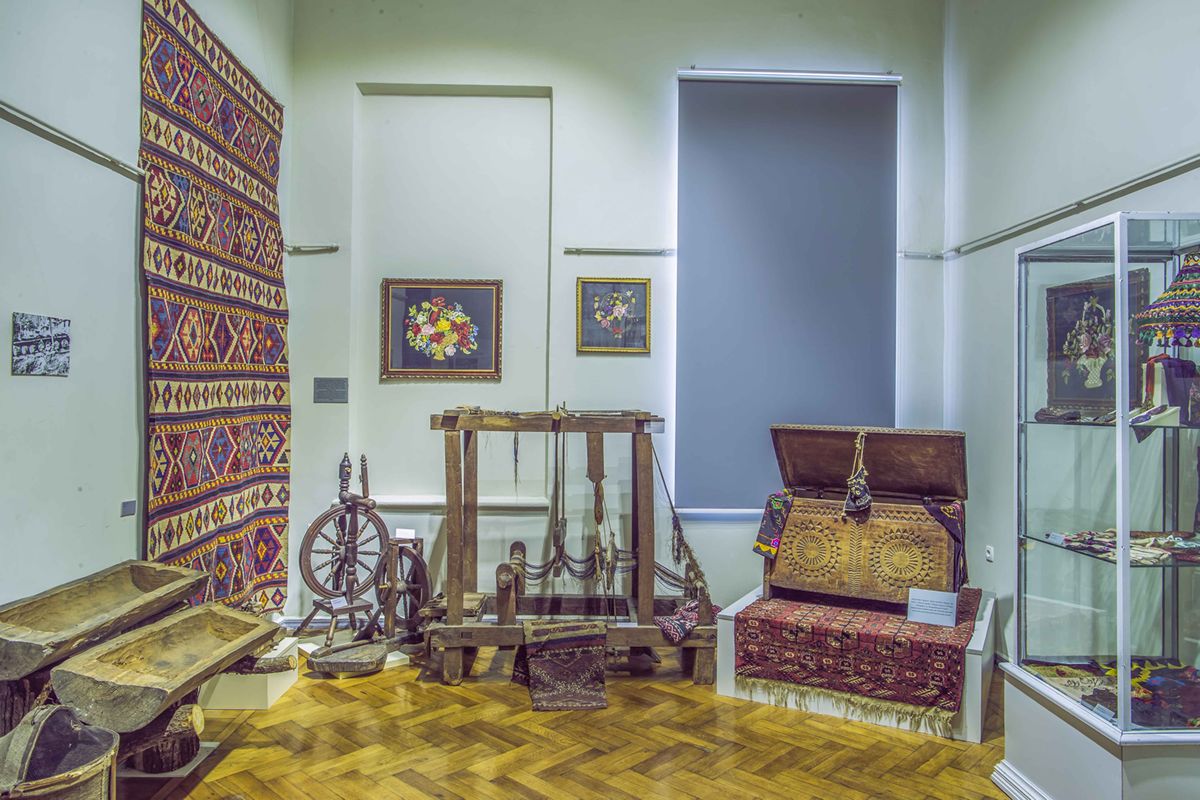
Batumi can truly be called a city of museums - which tells us about important events in world history through exhibits and creates a clear idea of states and empires that no longer exist. The foundation of museum work in Batumi was laid on March 19, 1908, when the decision of the 28th session of the City Council satisfied the initiative of teachers and public figures to establish a school museum. Nikoloz Gomani, a teacher of handicrafts at the Pushkin City School, was appointed its first director. The museum was located at the intersection of Voznesensky and Olga (currently, P. Melikishvili and V. Gorgasali) streets. Since 1910, the museum has been located in the City Council building. Since 1912, the status of the museum has increased and it has become a city museum. Since 1924, it was called the “Adjara Museum of Local Lore”, and since 1943, the museum has been called the “Adjara State Museum”. In 1957, a second floor was built on the old museum building, where the Khariton Akhvlediani Adjara Museum still functions.
At the head of the museum is Nikoloz Goman, a naturalist by profession, of German origin. He traveled a lot to the villages of Adjara, collected objects depicting local life, minerals and flora samples. He took photographs, made stuffed animals. He created ethnographic and geological collections. Through his efforts, in 1916, the museum was gifted copies of oriental and Egyptian objects from the St. Petersburg Muliage Factory - the first exhibits of the museum.
After Goman, in 1938, the prominent scientist and public figure Khariton Akhvlediani (1904-1992) was appointed as the director of the museum. The development and strengthening of the museum as a regional, scientific and educational institution is associated with his name. Since 2005, the museum has been named after Khariton Akhvlediani. Khariton Akhvlediani was the director of the museum and the founder of museum work in Adjara in 1938-1989.
As old as the Khariton Akhvlediani Museum is, the library that exists at this museum is as old. The museum library contains 63,000 books in different languages. Among them are many bibliographic rarities.
Nowadays, the museum and the street where the museum is located deservedly bear the name of Khariton Akhvlediani. According to current data, LEPL. The Khariton Akhvlediani Museum of the Adjara Museum houses about 180,000 exhibits: unique items, collections, photographs, works of art, and the museum's gold treasures contain more than a hundred items. The manuscript fund contains more than 2,000 rare manuscripts in Georgian, Russian, Armenian, Arabic, Turkish, Persian, and other languages. Among the many treasures, the krater, a vessel for diluting water and wine, was discovered in 1967 as a result of archaeological excavations in the pine forest in the Kobuleti region. It is one of the brilliant examples of Greek monumental painting and depicts the scene of the abduction of Helen. The krater is attributed to the Niobid painter and dates back to the second quarter of the 5th century BC. It is painted in the red-figure painting technique. Among other works by the Niobid painter, the four-frieze krater discovered in the Italian city of Spina is particularly noteworthy, which stands close to the Pine Forest Crater (stored in the Ferrara Museum - Italy). A similar crater was discovered in Orvieto and is preserved in the Louvre Museum. The crater discovered in Altamura is also close to the Pine Forest Crater. The Khariton Akhvlediani Museum houses a number of interesting exhibits, including important natural historical monuments, geological collections, minerals, a collection of ungulate horns, and a collection of syprifana (butterflies). The exhibits that are included in the International Red Book are particularly interesting. These are samples of the Goderdzi petrified forest. Of these, the petrified wood of a giant vine is noteworthy, as well as an opalized specimen of a giant tree brought from the Arsiani Range. The written sources preserved in the museum fund are wonderful, about 6,000 items, including manuscripts of world importance.
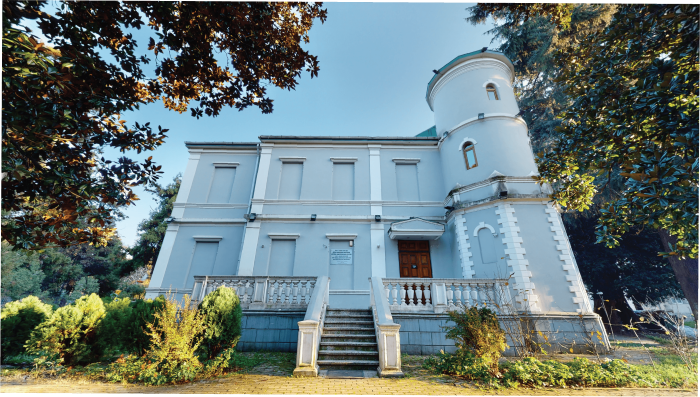
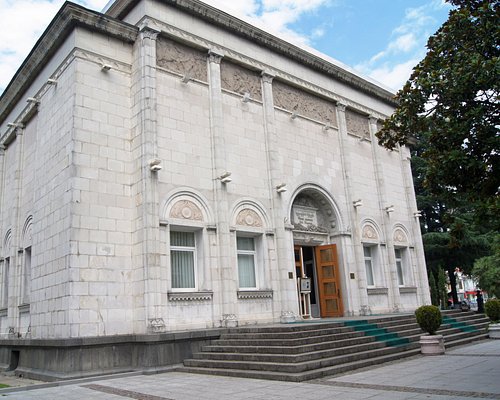
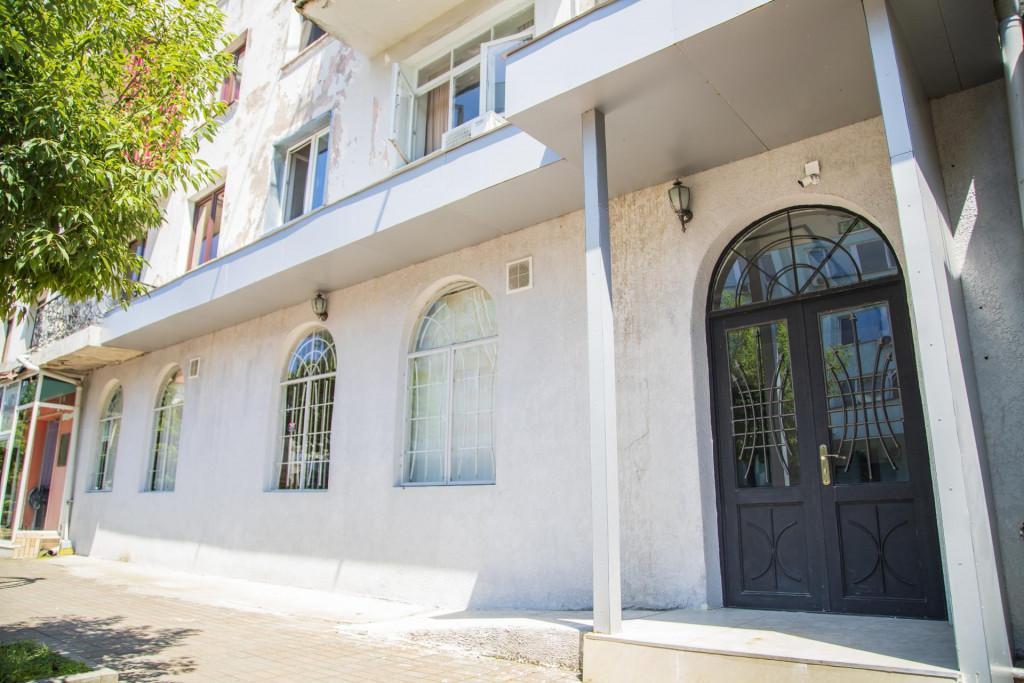
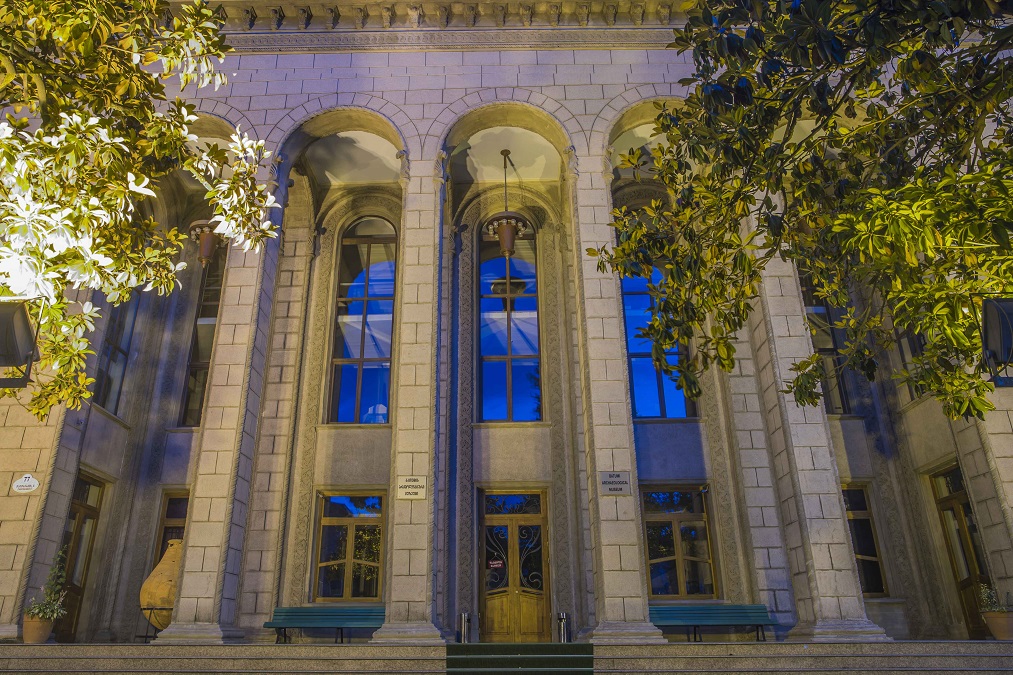
An important stage in the museum life of Batumi began in 2018, when a museum association was formed in the form of the LEPL Adjara Museum. It united: the Adjara Museum named after Khariton Akhvlediani himself, the Batumi Art Museum, the Batumi Archaeological Museum and the Nobel Brothers Batumi Technological Museum. It is worth noting that the branches of the Khariton Akhvlediani Museum are: the Ilia Chavchavadze Museum, the Memed Abashidze Museum and the Museum of Religion.
The Khariton Akhvlediani Museum is a truly interesting resource for learning about the history, traditional culture and life of Adjara and not only Adjara, which does not leave any interested visitor indifferent.
Entry fee:
Adult: 6 GEL;
Children from 6 to 14 years old: 1 GEL
up to 6 years: free;
Pensioners: 1,5 GEL;
Guide service: 15 GEL
Contact info:
Additional info:
Share
Similar places
Batumi Nobel Brothers Technological Museum
Museum Batumi

Kemal Turmanidze Ethnographic Museum
Museum Batumi
adjara art museum
Museum Batumi
Contemporary art space
Museum Batumi
Ilia Chavchavadze Museum
Museum Batumi
Batumi Archaeological Museum
Museum Batumi